
Photo: Max Allcock
ADAPTIVE snowsports
Adaptive snowsports are for any disabled person who wants to enjoy skiing or snowboarding — from first-timers to those who want to take part in competitive events.
There are adaptive pathways for learning, progression and racing, designed to be inclusive, supportive and fun.
WHERE SHOULD I START?
Whether you're trying snowsports for the first time, developing your skills or aiming for competitive success, there are opportunities for every level.
Adaptive Skiing
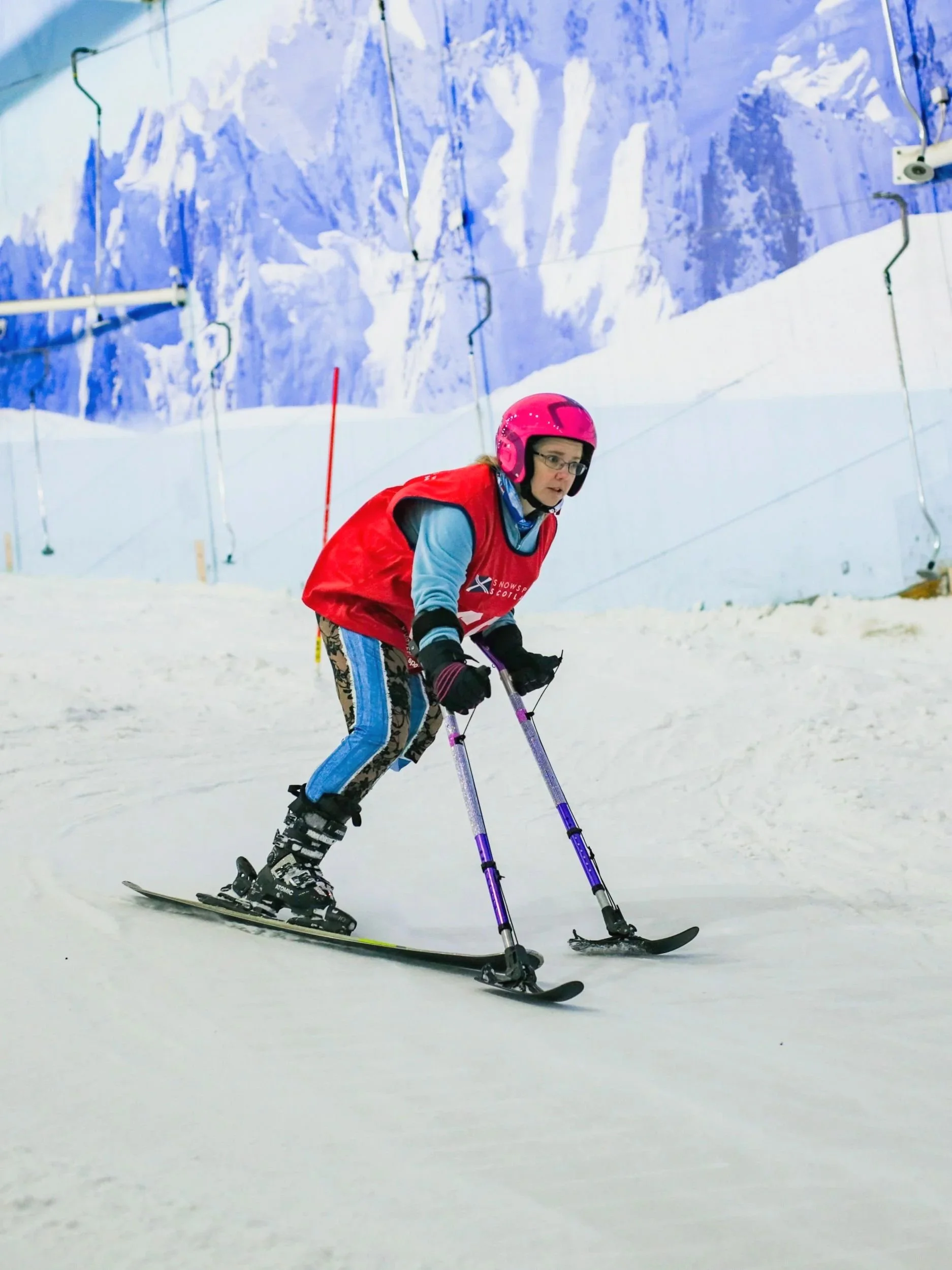
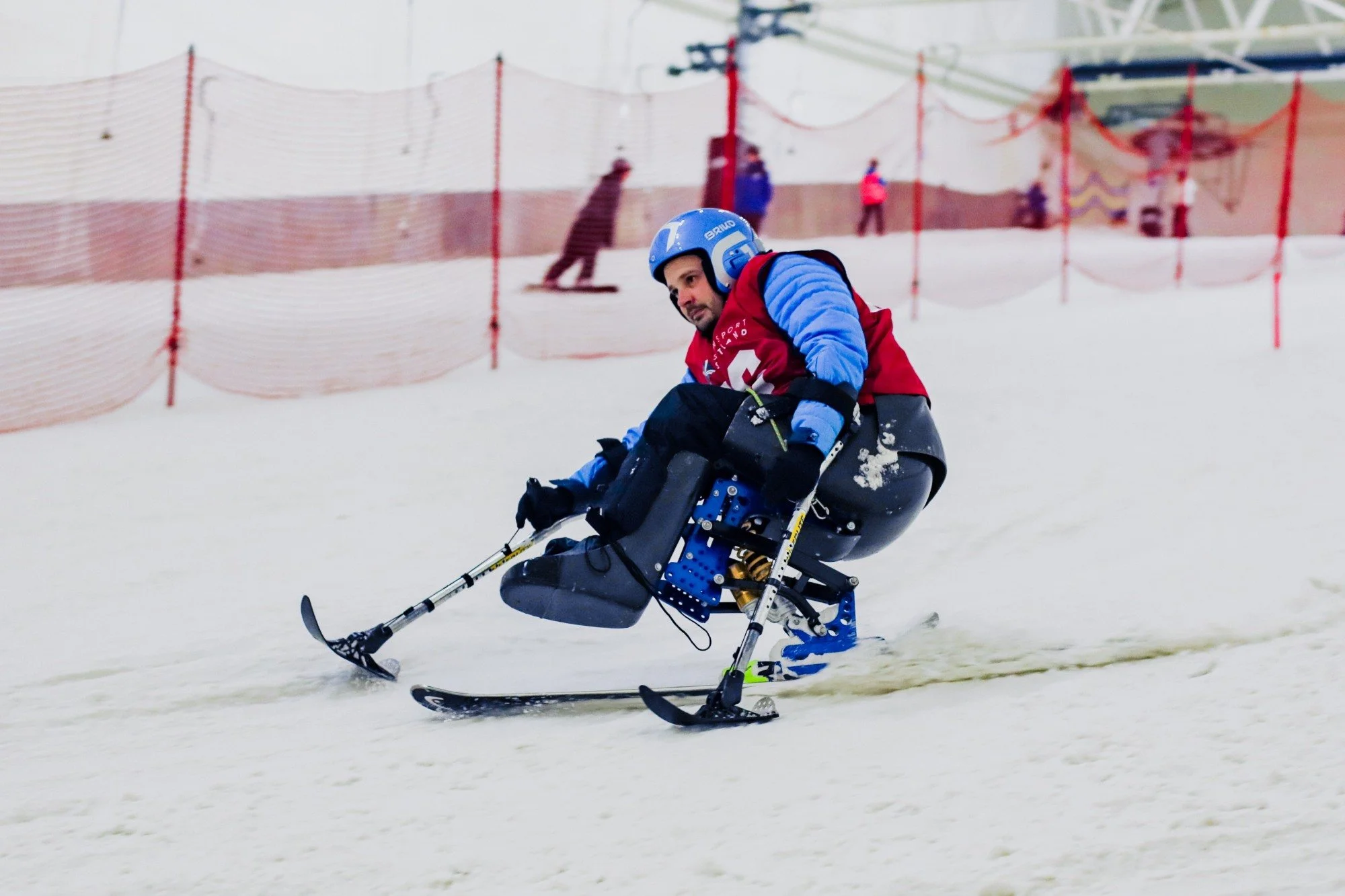
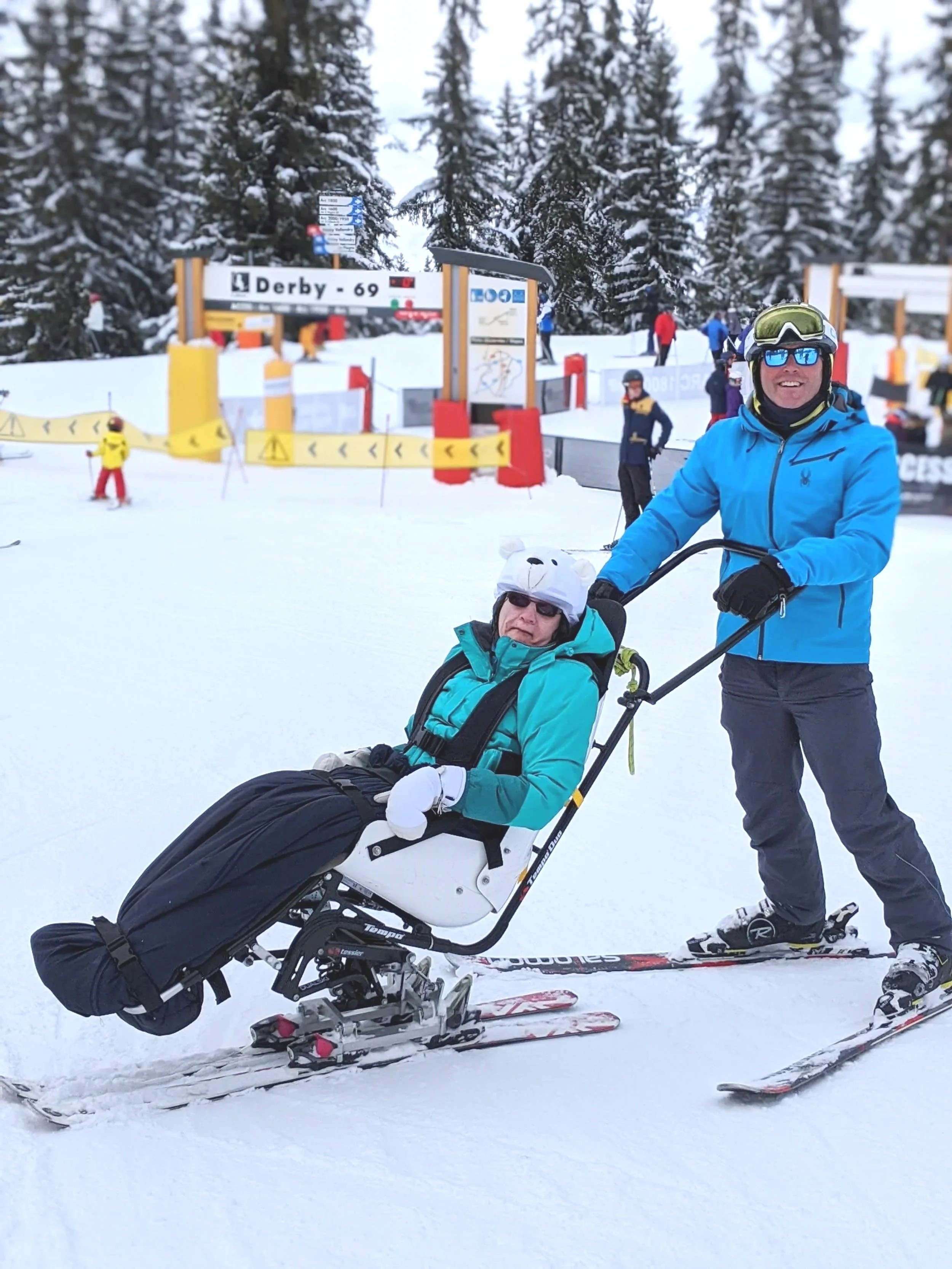
Adaptive skiing allows disabled people to ski using equipment, such as sit-skis, or standing with the help of outriggers. Visually impaired skiers can be assisted by a guide.
Adaptive Snowboarding
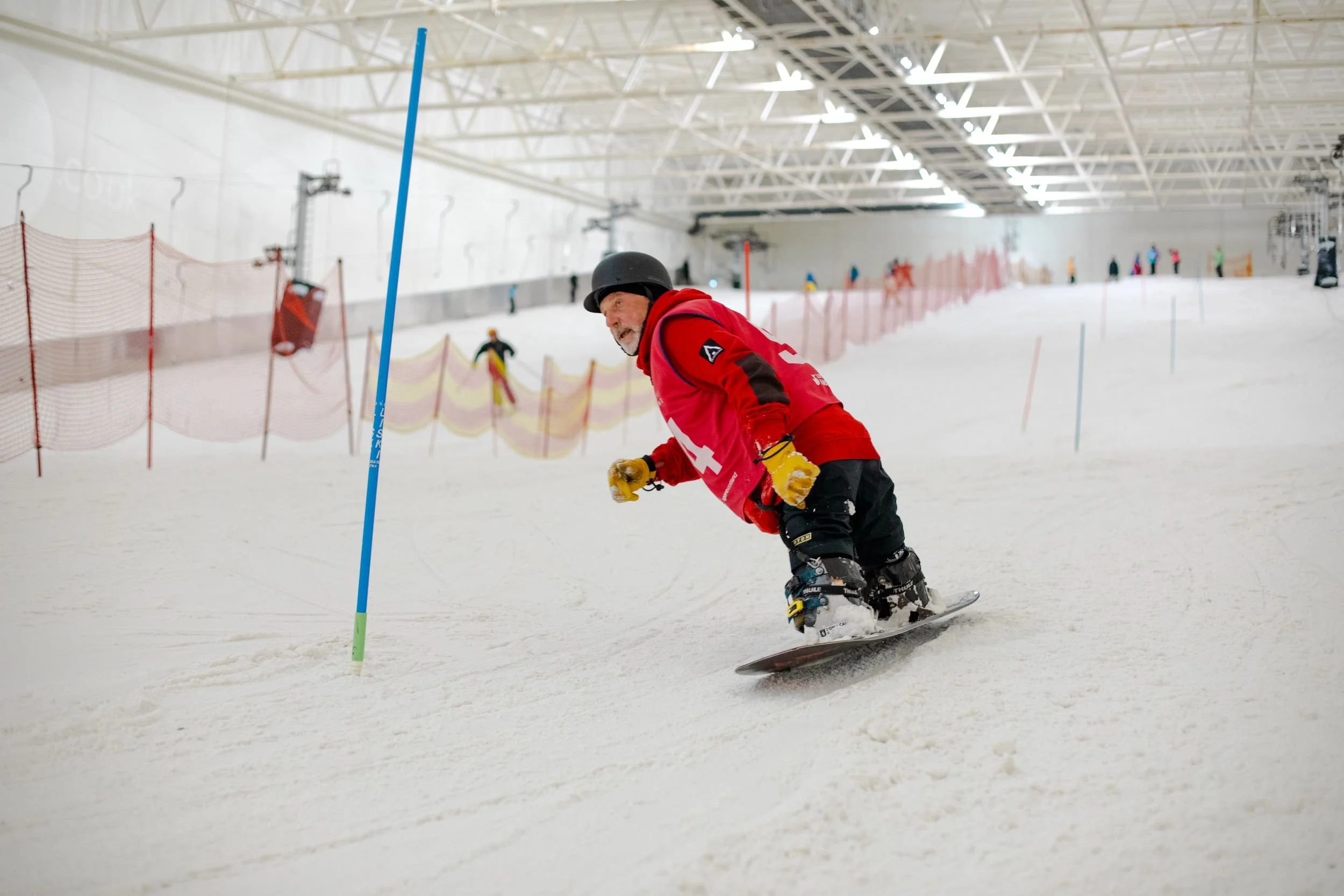
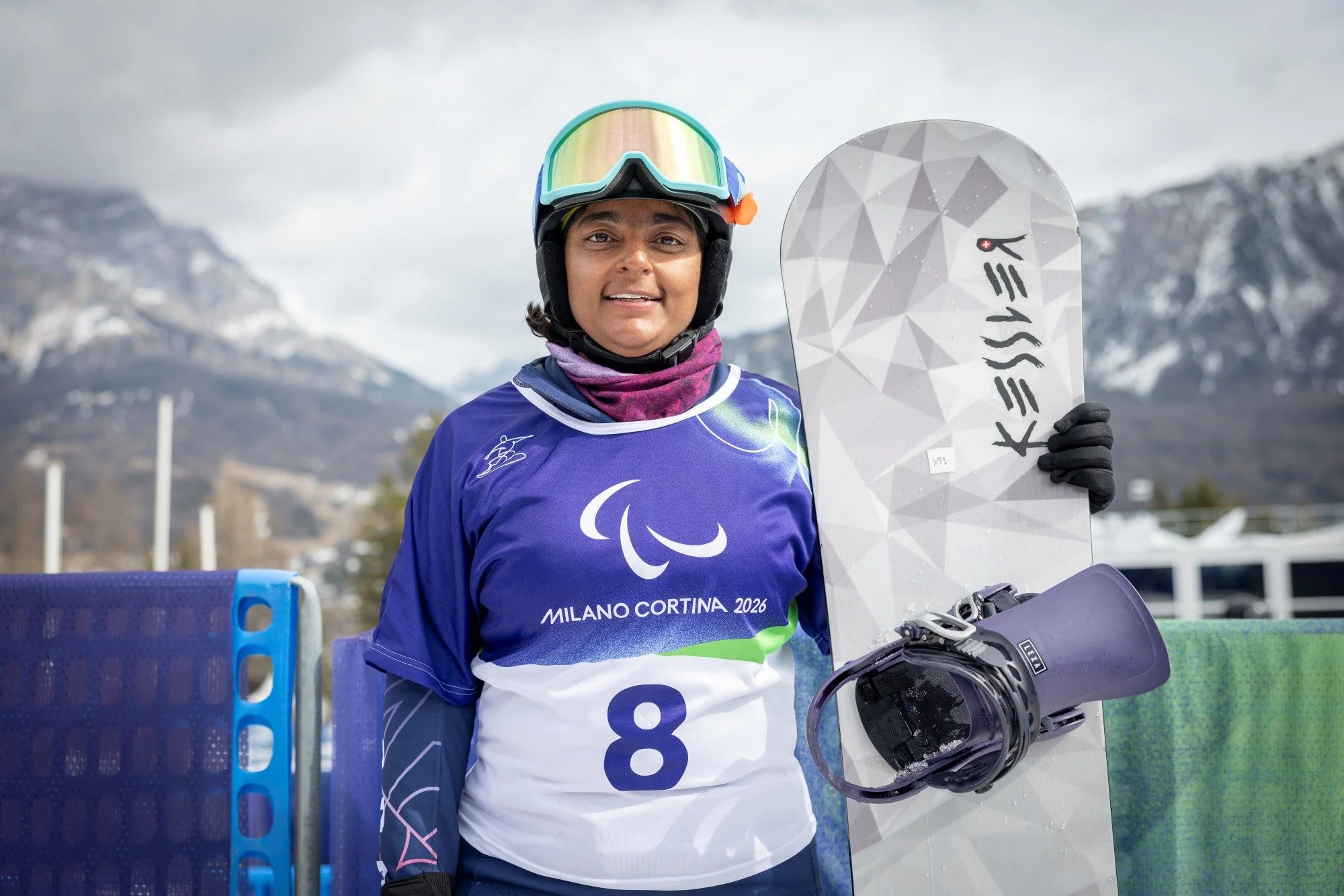
Snowboarding can be adapted for riders who can stand, using standard equipment – snowboard, boots, bindings - with supportive adaptations where needed. This can include tether to help with steering or specially-adapted prosthetics.
Adaptive Nordic
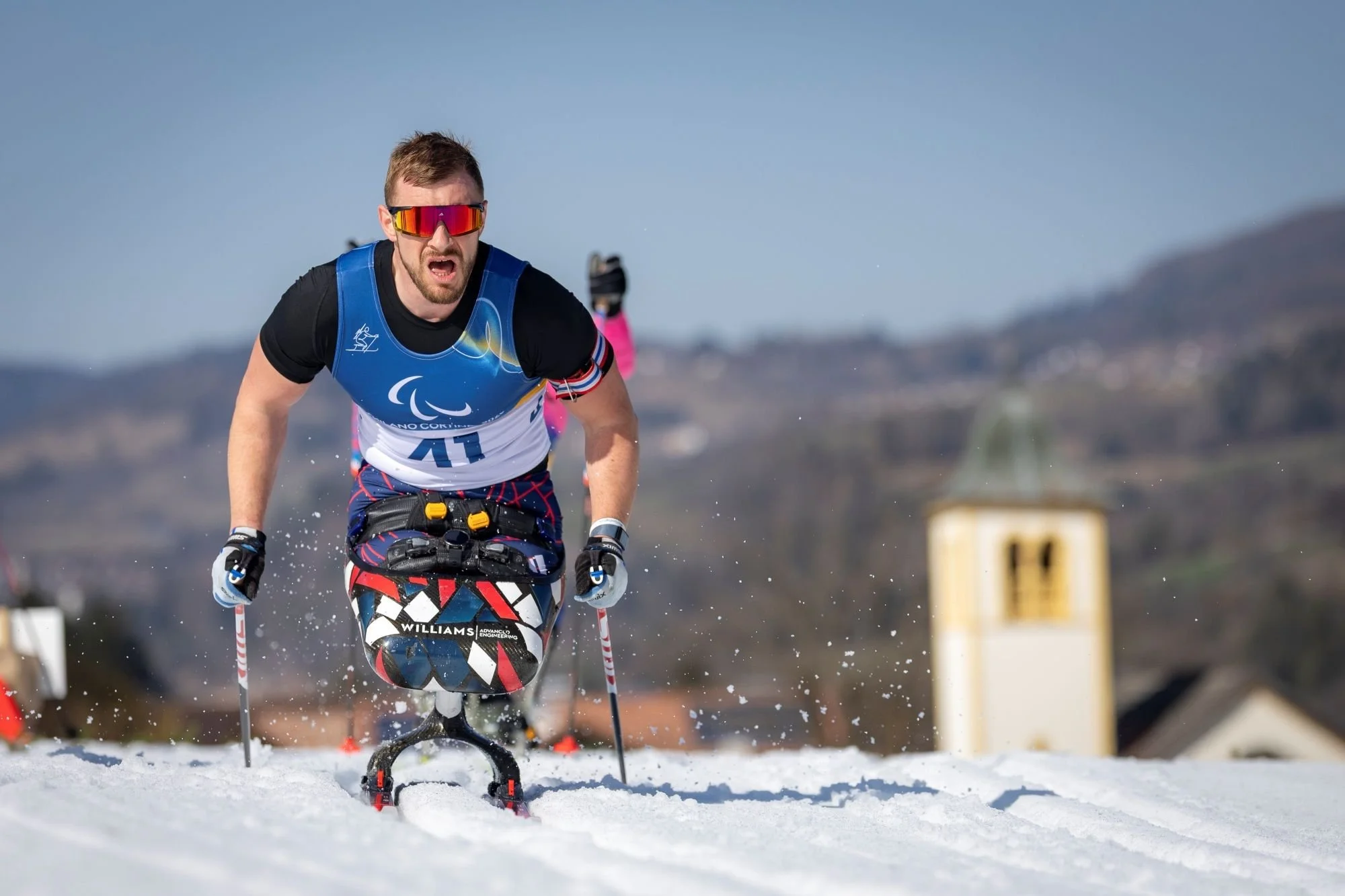
Adaptive nordic is a modified form of cross-country skiing for disabled people. This can take the form of sit-skiing or just involve the use of modified poles or guides for visually impaired skiers. In the summer, roller skiing is available to adaptive nordic skiers.
Photos from left: Max Allcock, Paralympics GB/Sam Mellish
How do I get involved with ADAPTIVE snowsports?
Photo: Snow Buddies UK
Find a local club or facility
There are lots of clubs and facilities across England that offer adaptive sessions for beginners. Use the Snowsport England Club & Facility Finder below to locate clubs, indoor snow centres and dry slopes near you that run adaptive snowsports sessions.
Try an adaptive taster session or lesson
Many clubs and venues run beginner sessions, led by qualified instructors, who understand how to adapt techniques and equipment for different ability levels. Organisations such as Disability Snowsport UK (DSUK) work with clubs to provide accessible ski and snowboard lessons, whilst Snow Buddies UK offer adaptive lessons and trips abroad.
Adaptive equipment support
Adaptive equipment - such as mono-skis, bi-skis, outriggers and balance aids — assist disabled skiers and snowboarders with riding slopes. You can rent certain equipment from Snow Buddies UK. Get in touch with them or your local club to see what they provide.
How can i get involved with performance and competing in para snowsports?
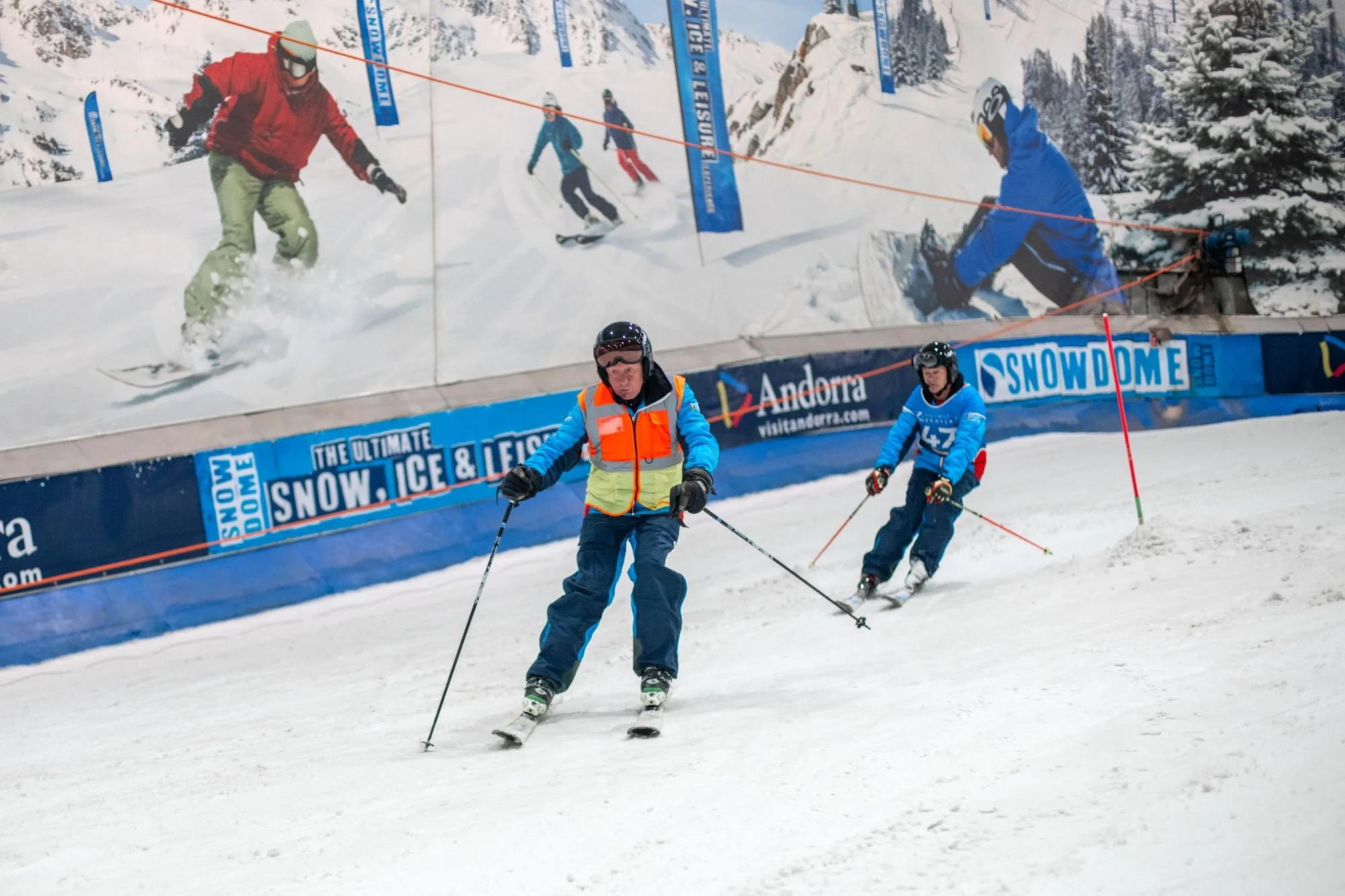
If you want to take adaptive snowsports further, there are several training and competitive opportunities in England:
Parallel Lines Race Series
Parallel Lines series is a fun, open race series aimed at skiers and snowboarders with disabilities and assisted needs - but open to everyone!
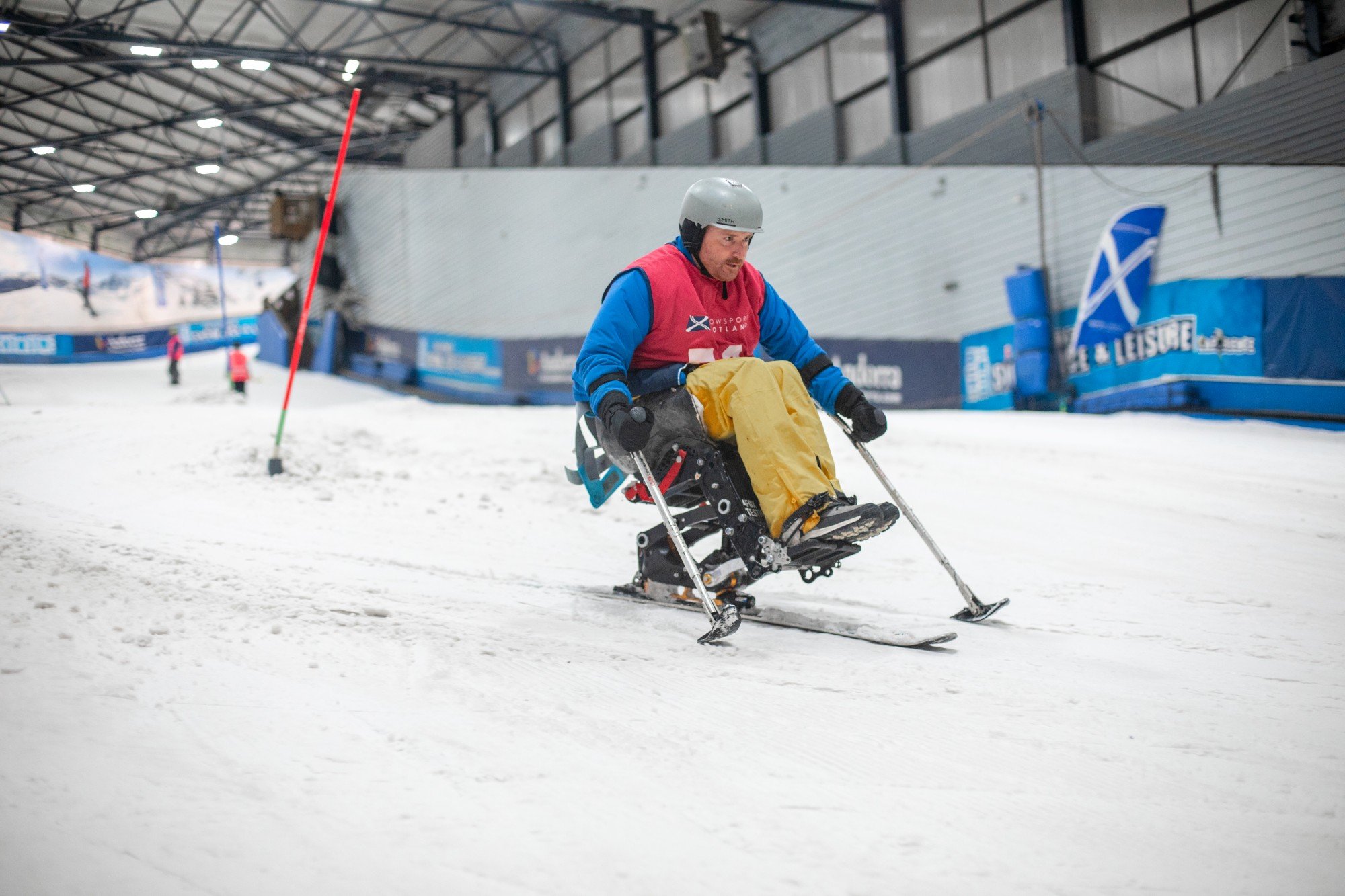
Club and regional events
Many local clubs also organise races and competitive days with adaptive categories, giving athletes structured competitive experience.
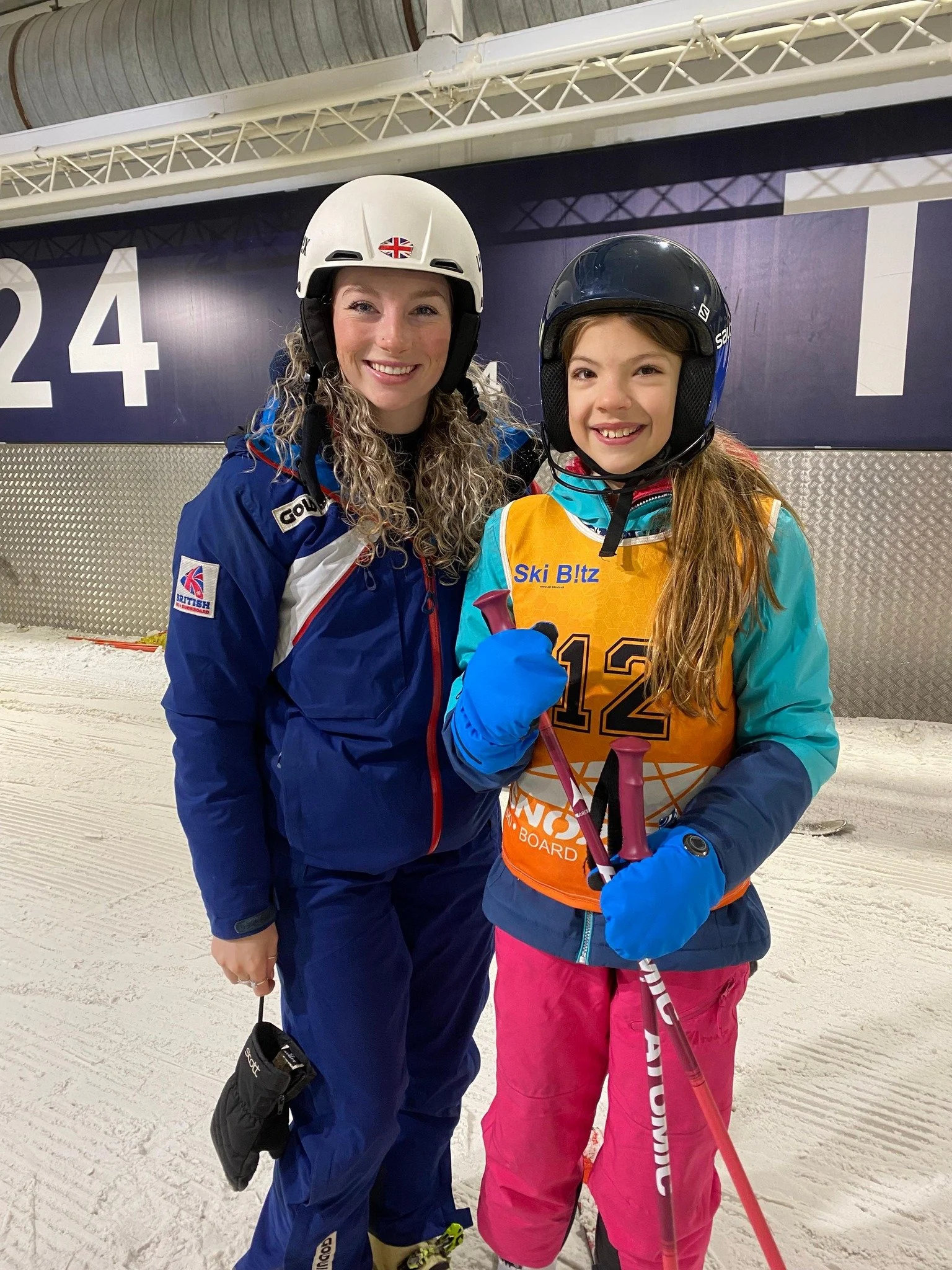
Partner training opportunities
Regular sessions such as DSUK’s performance and race evenings, which range from open-to-all up to advanced ability.
Pathway to higher competition
Clubs and coaches can support entry into national and international racing through GB Snowsport Para Snowsport programmes.
questions?
For further information on para snowsports,
email info@snowsportengland.org.uk.