
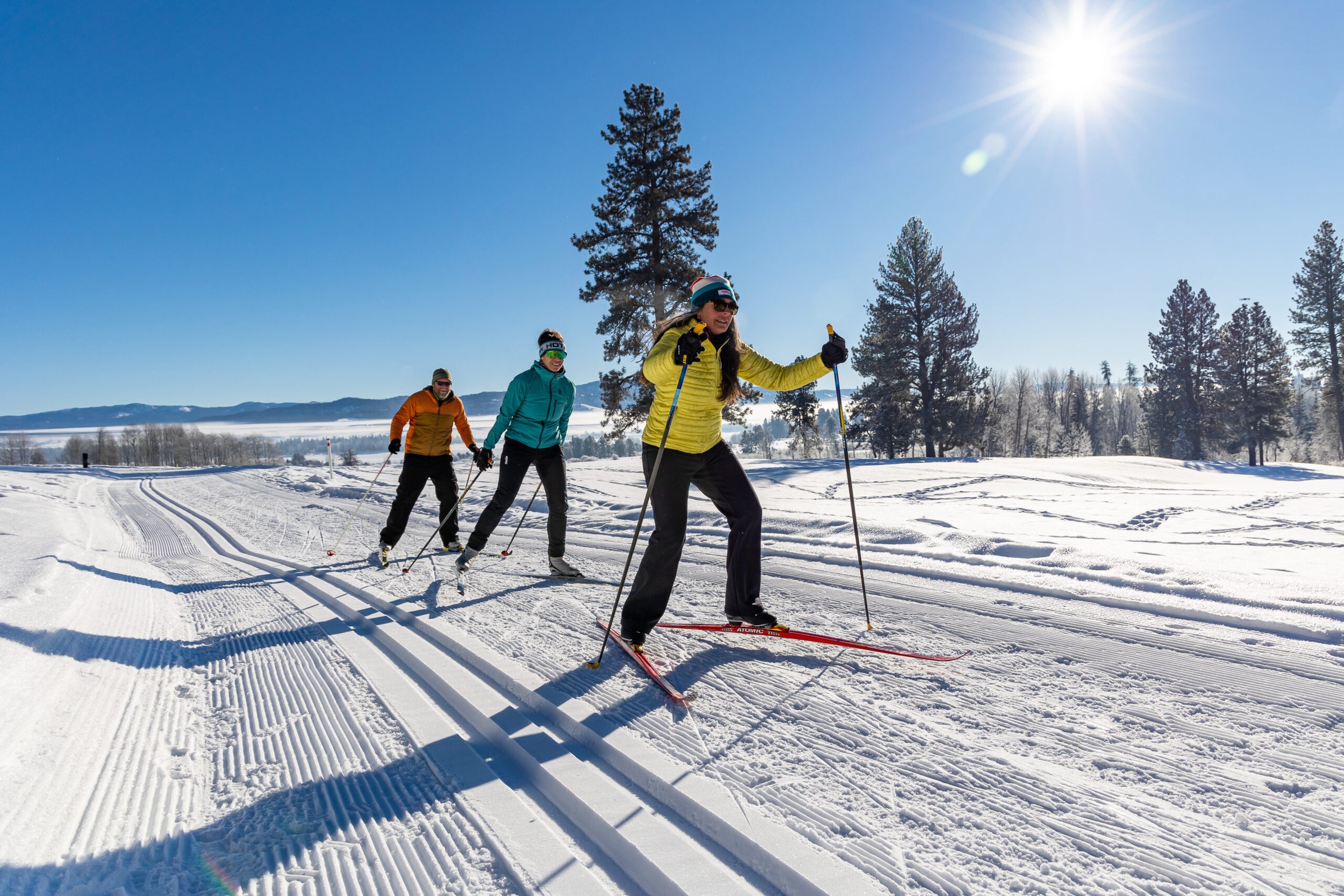
A BEGINNER’S GUIDE TO nordic skiing
It’s the oldest form of skiing dating back thousands of years, yet nordic skiing is continually evolving. In the past few decades seeing the introduction of the skating technique and sprint races.
There are many variants of nordic skiing, but they all have one thing in common: the skier’s heel isn’t fixed to the ski, allowing you to ski down, along and uphill.
It’s a great way to improve fitness – but you don’t have to be super fit to get started. Learning an efficient technique to glide effortlessly across the snow is key to enjoying this sport.
WHat are the nordic disciplines?
Nordic skiing is made up of several distinct disciplines, each with its own challenges and appeal:
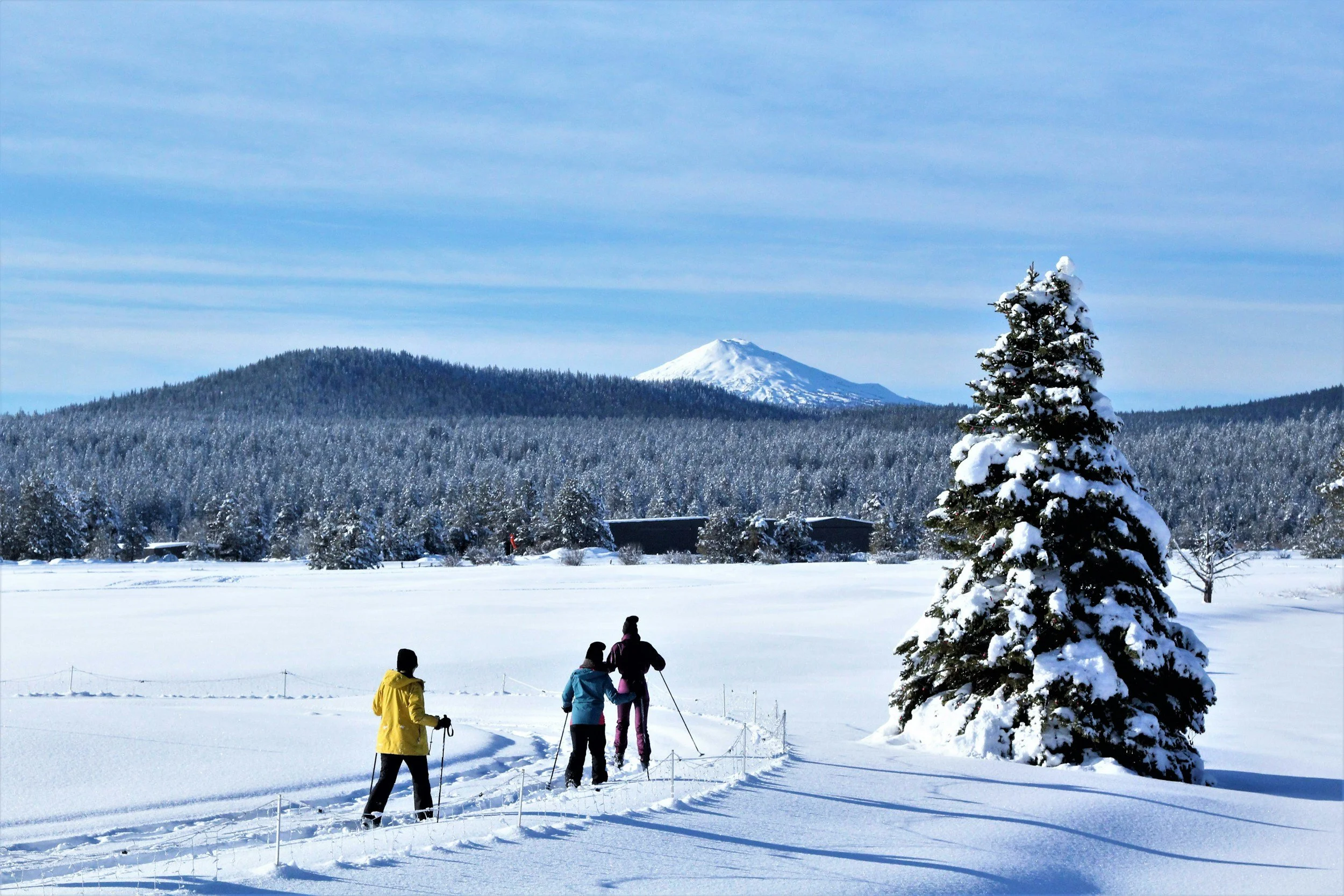
cross-country
Cross-country skiing is where you propel yourself across snowy terrain. This may involve following prepared tracks, off-track or ski touring, and the terrain may vary from flat through rolling and up to demanding for hill touring. Equipment varies depending on terrain and difficulty: long, lightweight skis, boots and poles are used for track skiing, whereas heavier and more sturdy equipment is generally used for ski touring
roller skiing
English nordic ski clubs have been using roller skis to train and practice for decades. They’re a really effective way to learn the techniques at all times of the year and when you don’t have easy access to snow. The classic version of roller skis have a wheel on each ski which can only go forwards - simulating the grip you’ll get with a snow ski’s ‘kick zone’.
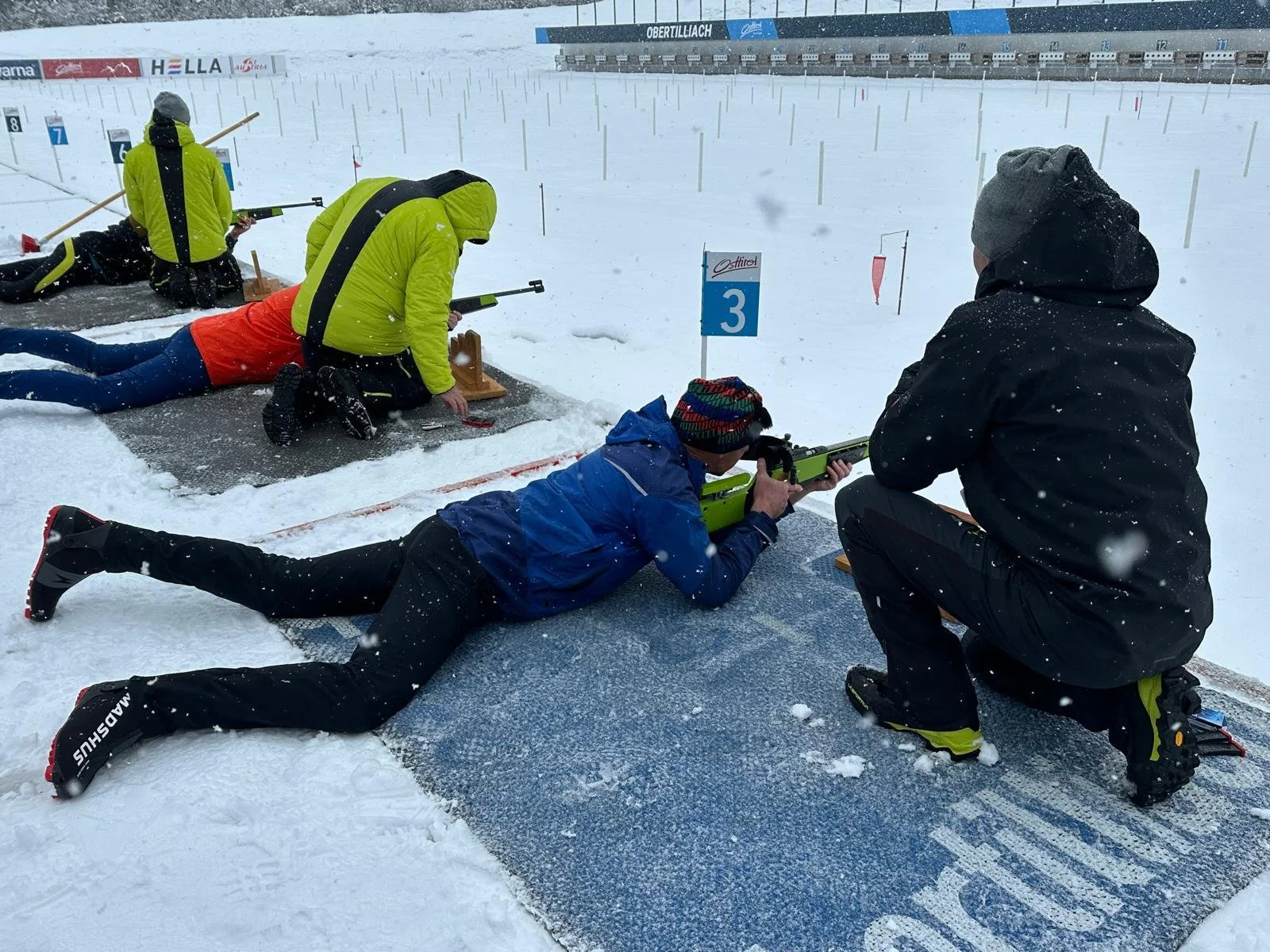
biathlon
Biathlon is a combination of cross-country skiing and shooting.
This discipline doesn’t come under Snowsport England’s umbrella; it has its own national governing body, British Biathlon Union (BBU).
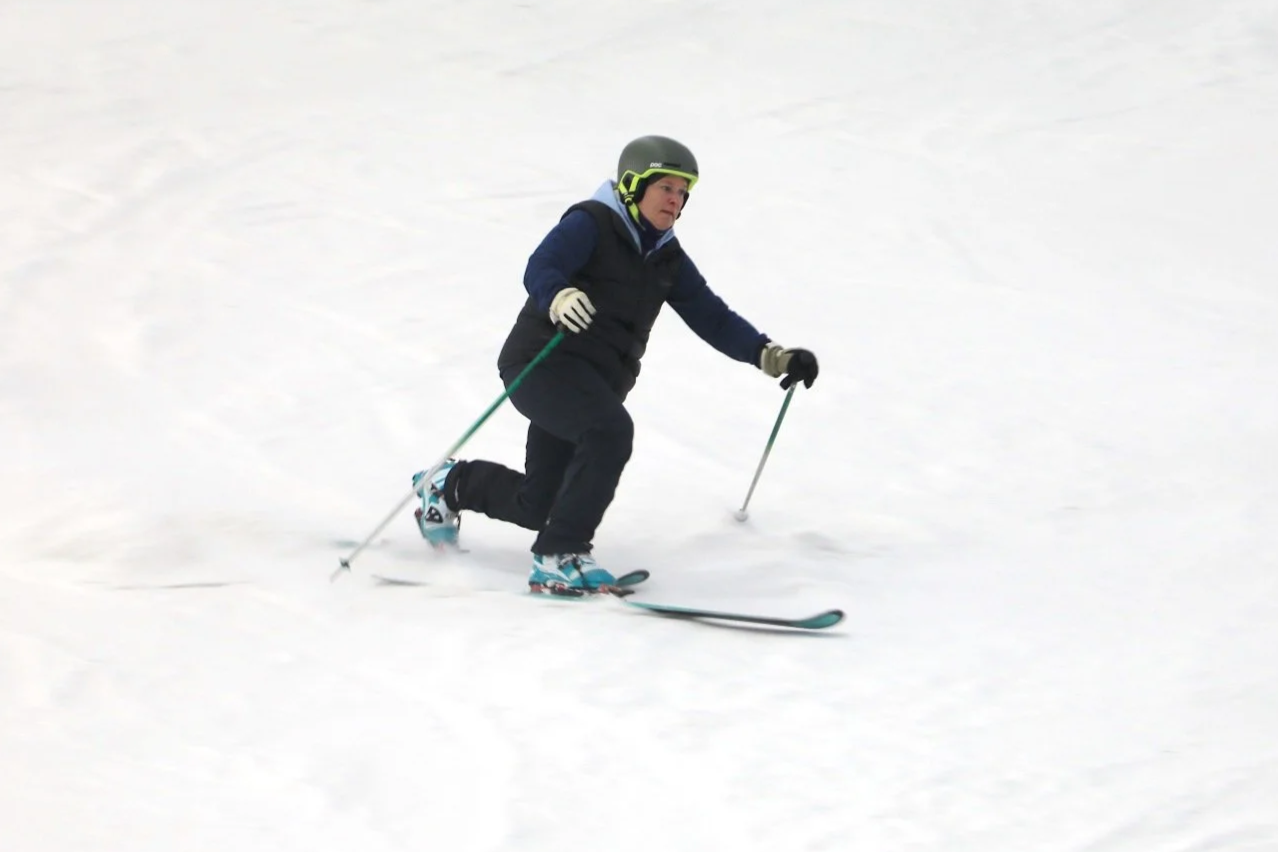
telemark
Telemark skiing is a combination of alpine skiing and nordic skiing.
Participants use free‑heel bindings and features a distinctive lunging turn where the inside ski drops back. Telemark skiing is a combination of alpine skiing and nordic skiing. Participants use free‑heel bindings and features a distinctive lunging turn where the inside ski drops back.
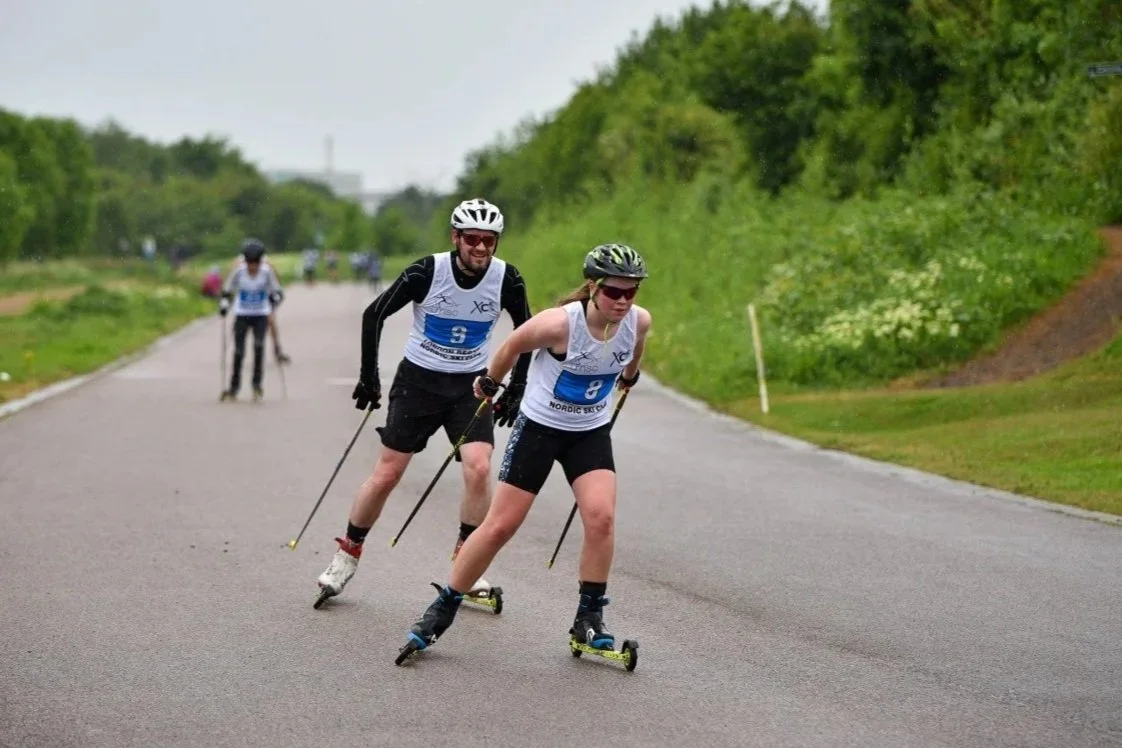
Photo: Andrew Kenyon Photography
Where can I learn
NORDIC SKIING in England?
Joining a local ski club is the best way to learn the nordic disciplines.
These clubs provide taster sessions and beginners courses, both in England and abroad.
Need help? Email us and we can help you find the nearest nordic club to you.
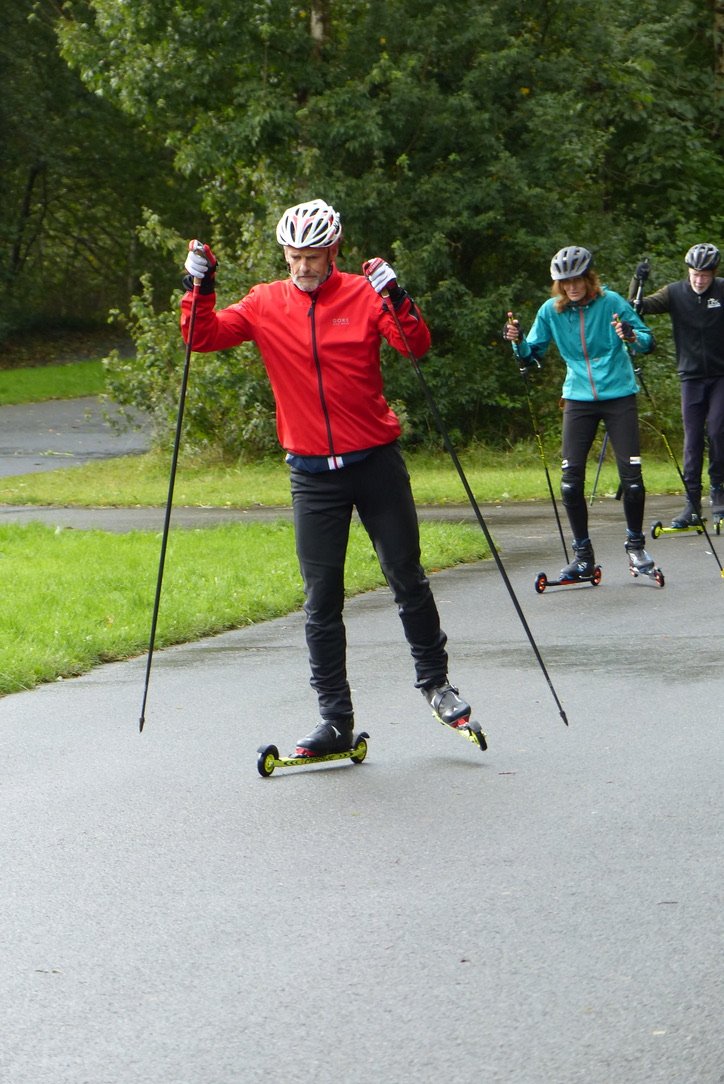
Can I progress my skills
as an intermediate to advanced nordic skier in England?
Absolutely. Joining a club is the best way to improve your nordic skills. Clubs offer everything from regular training and coaching to local competitions, national events and trips abroad.
Snowsport England run a Nordic Proficiency Scheme through its affiliated organisations, which is open to everyone. It offers skiers a five-step programme of awards from beginner to expert. There are awards at each level for cross-country on snow (S) and/or roller skiing (R).
If you’re interested in competing, there are a wide variety of races including mass-participant, long-distance races (loppets) and other less-formal races. Find out more on our Nordic Events page.
Alternatively, contact your local club for more information.
questions?
For more information on nordic skiing, email nordic@snowsportengland.org.uk.